If your car has been making a grinding, humming, or growling noise while driving, there’s a good chance you’re dealing with a worn or failing wheel bearing. This is one of those repairs that drivers often delay — until they realize just how critical a wheel bearing is to safe vehicle operation. Understanding the wheel bearing replacement ahead of time helps you plan your budget, avoid overpriced estimates, and make informed decisions at the shop.
In this guide, we’ll break down everything you need to know about wheel bearing repairs in the United States — from average pricing and labor rates to the difference between front and rear replacements, and when you should consider DIY versus professional service. Whether you’re searching for the cost to replace wheel bearings on a budget sedan or a heavy-duty truck, this guide has you covered.
What Is a Wheel Bearing and Why Does It Matter?
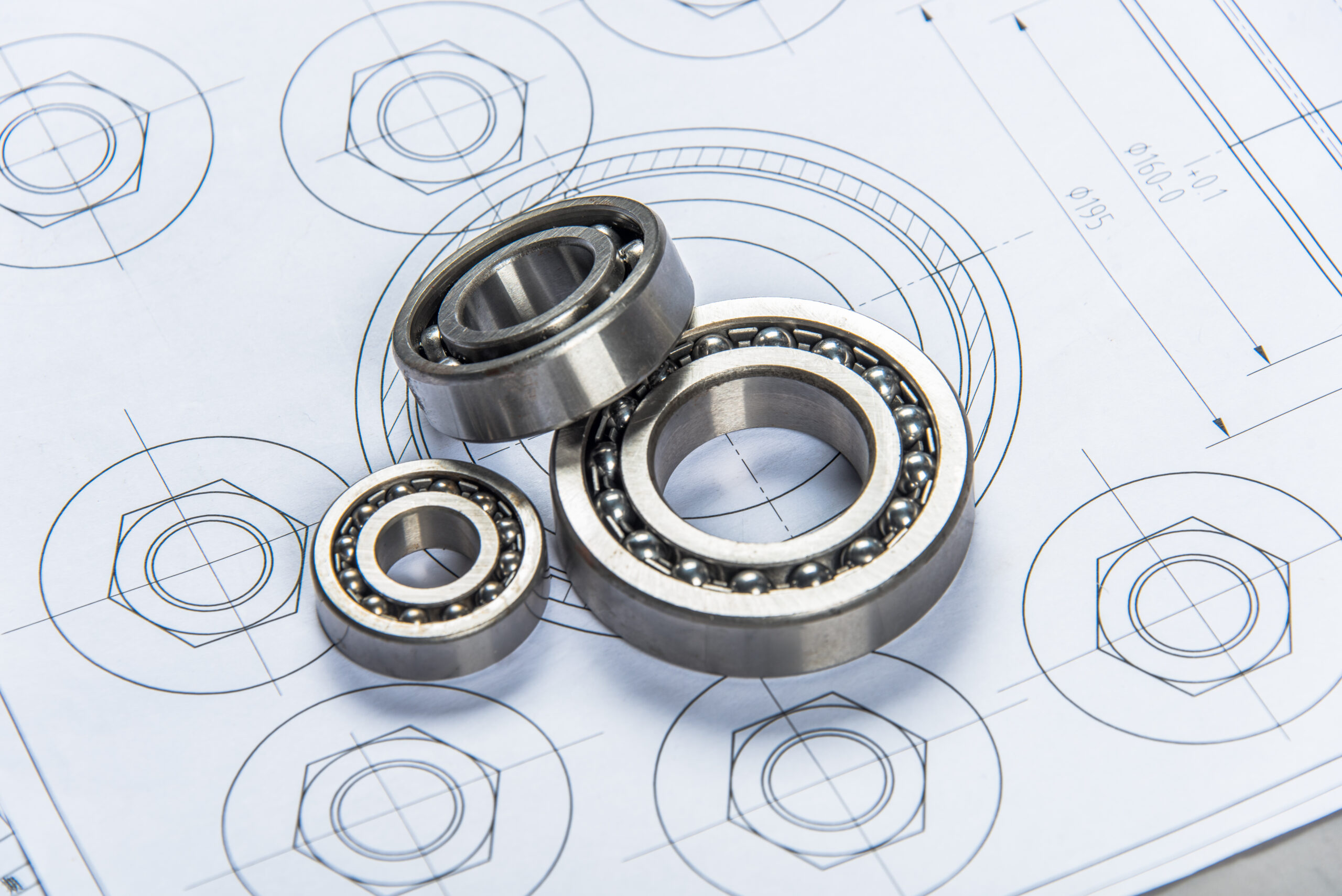
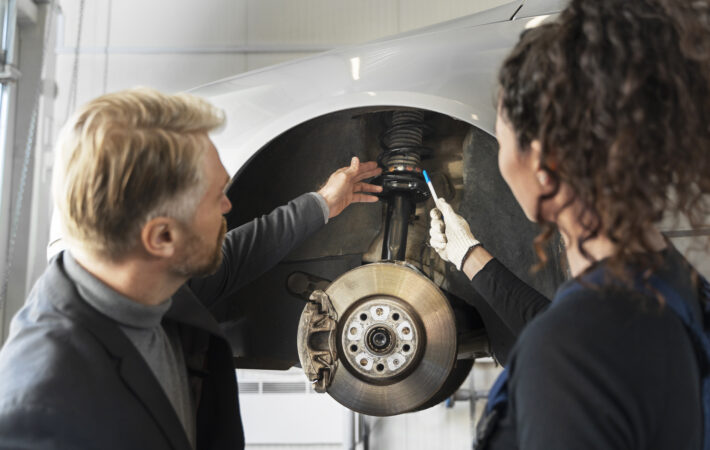
A wheel bearing is a set of steel balls or rollers held in a metal ring (called a race). It allows your wheels to spin freely with minimal friction while supporting the full weight of your vehicle. Every car has four wheel bearings — one at each wheel — and they endure enormous stress from acceleration, braking, cornering, and road vibration every single day.
When a bearing starts to wear out, metal-on-metal contact increases, generating heat and noise. Left unaddressed, a failing bearing can lead to:
- Uneven or accelerated tire wear
- ABS sensor malfunction (on modern vehicles)
- Steering instability and wheel wobble
- Complete wheel separation in extreme cases
That’s why the cost to replace wheel bearing is well worth paying promptly once the signs appear — not just for your wallet, but for your safety on the road.
Average Wheel Bearing Replacement Cost in the USA
The total bearing replacement cost in the United States typically falls between $150 and $800 per wheel, depending on the vehicle type, location, and whether you choose a dealership or an independent shop. Many drivers searching for the cost to replace bearings are surprised to find how much variation exists based on these factors. Here’s a general cost breakdown:
- Front Wheel Bearing (FWD) — Parts: $80–$150 | Labor: $70–$140 | Total: $150–$290
- Rear Wheel Bearing (Sedan) — Parts: $60–$120 | Labor: $80–$160 | Total: $140–$280
- Front Hub Assembly (4WD/AWD) — Parts: $150–$300 | Labor: $100–$200 | Total: $250–$500
- Rear Hub Assembly (Truck/SUV) — Parts: $120–$250 | Labor: $100–$200 | Total: $220–$450
- Luxury/Performance Vehicle — Parts: $200–$500+ | Labor: $150–$300 | Total: $350–$800+
Keep in mind these are estimates. Actual prices vary by region, shop rates, and vehicle make/model. Luxury brands like BMW, Mercedes-Benz, and Audi tend to be on the higher end, while economy cars like Honda Civic or Toyota Corolla fall toward the lower range.
Front Wheel Bearing Replacement Cost
Front wheel bearings generally cost a bit more to replace than rear ones, simply because the front axle handles both steering and (in front-wheel drive vehicles) power delivery. The bearing hub assembly replacement cost is especially relevant for FWD and AWD vehicles, where the hub and bearing are often sold as a single integrated unit.
For a standard front-wheel drive car, the cost to replace a front wheel bearing typically runs:
- Parts: $80 – $200 depending on brand (OEM vs. aftermarket)
- Labor: $70 – $150 at most independent shops
- Total: $150 – $350 per side
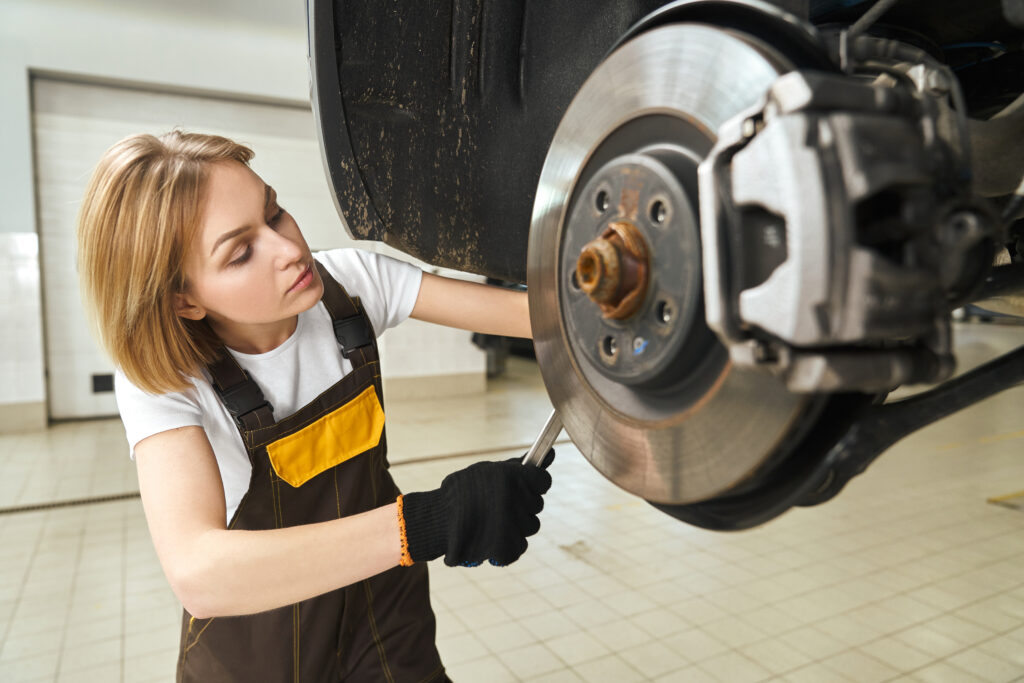
For trucks, SUVs, and AWD vehicles where the hub assembly must be replaced as a complete unit, the front wheel bearing hub assembly replacement cost can range from $250 to $500 or more per wheel. This is because the hub assembly — which integrates the bearing, spindle, ABS sensor, and mounting hardware — is a more complex component and requires more labor time to install correctly.
Pro tip: If one front bearing is failing, many mechanics recommend replacing both front bearings at the same time. You’ll save on labor costs since the car is already raised and partially disassembled, and you’ll avoid coming back in six months for the second side.
Rear Wheel Bearing Replacement Cost
The bearing replacement cost is generally a bit lower than the front, particularly on non-driven rear axles (like those found on front-wheel drive sedans). However, AWD, 4WD, and rear-wheel drive vehicles have powered rear axles that make the job more involved.
Typical cost of replacing a rear bearing by vehicle type:
- Front-wheel drive sedan (rear non-driven): $140 – $280 per side
- Rear-wheel drive or AWD vehicle: $200 – $400 per side
- Full-size pickup truck or SUV: $220 – $500 per side
On some vehicles — especially older domestic cars and trucks — rear wheel bearings are pressed into the axle housing and must be removed with a hydraulic press. This specialized tool requirement can add to both time and cost at a shop. Your mechanic should be upfront about this before starting the job.
If you drive a rear-wheel-drive truck or SUV and notice a hum or vibration that changes with vehicle speed, addressing the rear bearing replacement cost early on can prevent a more expensive axle or differential repair down the line.
What Factors Affect the Replace Wheel Bearing Cost?
Several variables influence how much you’ll actually pay when you replace wheel bearing components on your vehicle:
1. Vehicle Make and Model
Domestic vehicles like Ford, Chevrolet, and Dodge tend to have more affordable parts and are easier to work on. European and luxury vehicles often require OEM-specific components, which dramatically raises the replace wheel bearing cost.
2. Standalone Bearing vs. Hub Assembly
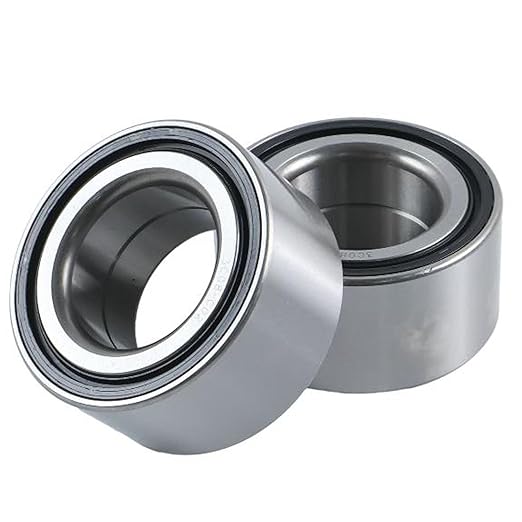
Older vehicles often use serviceable tapered roller bearings that can be replaced independently of the hub. Newer vehicles, particularly compact cars and crossovers, use sealed hub bearing assemblies. The front wheel bearing hub assembly replacement cost is higher because you’re replacing a complete integrated unit — but installation is often faster and more reliable.
3. OEM vs. Aftermarket Parts
OEM (Original Equipment Manufacturer) parts come directly from the vehicle manufacturer and are guaranteed to fit and perform as designed. Aftermarket parts from reputable brands like Timken, Moog, SKF, or FAG can be 30–50% cheaper with comparable quality. Avoid bargain-bin parts from unknown suppliers — wheel bearings are safety-critical components.
4. Labor Rates by Region
Labor rates vary significantly across the United States. Shops in metropolitan areas like New York City, Los Angeles, or Chicago typically charge $120 – $180 per hour, while shops in rural areas or smaller cities may charge $70 – $110 per hour. A typical wheel bearing replacement takes 1–2 hours of labor.
5. Dealership vs. Independent Shop
Dealerships often charge 20–40% more for the same repair compared to independent shops, largely because of higher overhead and mandatory use of OEM parts. For a job like a bearing replacement — which doesn’t require proprietary tools or dealer-exclusive software — a trusted independent mechanic is almost always the better value.
Signs You Need a Wheel Bearing Replacement
Catching a failing wheel bearing early can save you significant money and prevent a dangerous situation on the highway. Here are the most common warning signs that it’s time to look into the cost to replace wheel bearing on your vehicle:
- Humming, growling, or rumbling noise that changes with speed
- Noise that gets louder when turning in one direction
- Vibration felt through the steering wheel or floorboard
- Looseness or wobble when you grab the top and bottom of the tire and rock it
- ABS warning light illuminated on the dashboard (bearings often house ABS sensors)
- Uneven or accelerated tire wear on one side
The most reliable test: while driving at moderate speed on an empty road, slowly weave the car side to side. If the noise changes or disappears as you shift weight from one side to the other, that’s a strong indicator of a failing wheel bearing on the side that quiets down when weight shifts away from it.
DIY Wheel Bearing Replacement: Is It Worth It?
For experienced home mechanics, replacing a wheel bearing is a manageable job — particularly on modern vehicles with bolt-on hub assemblies. Doing it yourself can cut the wheel bearing replacement cost by 50% or more, since you’re only paying for parts.
However, there are real challenges:
- A press-fit bearing requires a hydraulic press — a tool most home mechanics don’t own
- Improper installation can cause premature bearing failure or unsafe handling
- On 4WD and AWD vehicles, axle shafts and CV joints must be removed, adding complexity
- Some jobs require a torque wrench with specific torque values for the axle nut
If you’re comfortable with intermediate mechanical work and your vehicle uses a bolt-on hub assembly, DIY is a viable path. For press-fit bearings or driven rear axles, we recommend leaving it to a professional — especially when considering that the cost of replacing a rear wheel bearing professionally is far less than the cost of a mistake.
How to Save Money on Wheel Bearing Repairs
Getting the best possible replace wheel bearing cost doesn’t mean cutting corners — it means shopping smart. Here are practical tips:
- Get at least 3 quotes from local shops before committing to a repair
- Ask if both sides should be done at once to save on labor
- Ask whether an aftermarket Timken or SKF bearing is an option
- Check if your vehicle is still under warranty — some extended warranties cover drivetrain components
- Look for coupons or service specials at chain shops like Firestone, Midas, or Pep Boys
- Join online forums for your vehicle make — members often share trusted local shops and fair prices
Also, don’t ignore the problem hoping it goes away. A worn wheel bearing that’s allowed to fail completely can damage the knuckle, axle, or CV joint — turning a$200 repair into a $1,000+ job. The cost to replace wheel bearings early is always far less than the collateral damage from waiting too long.
Wheel Bearing Replacement Cost by Popular Vehicle
To give you a realistic benchmark, here’s a look at the rear wheel bearing replacement cost and front bearing costs for some of the most common vehicles on American roads:
- Toyota Camry: $160 – $280 per bearing
- Honda Accord: $150 – $270 per bearing
- Ford F-150: $220 – $420 per bearing
- Chevrolet Silverado: $200 – $400 per bearing
- Jeep Grand Cherokee: $250 – $480 per bearing
- BMW 3 Series: $350 – $700 per bearing
- Ford Explorer: $230 – $450 per bearing
- Toyota RAV4: $190 – $360 per bearing
These figures reflect typical combined parts and labor costs at an independent shop. Dealership pricing can be 20–40% higher across the board.
Frequently Asked Questions
How long does a wheel bearing last?
Most wheel bearings are designed to last between 85,000 and 100,000 miles under normal driving conditions. However, frequent exposure to water, mud, or rough roads can shorten that lifespan considerably.
Can I drive with a bad wheel bearing?
You should not drive with a confirmed bad wheel bearing beyond what’s absolutely necessary to reach a repair shop. At highway speeds, a severely worn bearing can seize, causing the wheel to lock up — a catastrophic and potentially fatal event. The wheel bearing replacement cost is minor compared to the risk.
Does insurance cover wheel bearing replacement?
Standard auto insurance policies do not cover mechanical wear and tear. However, if you have an extended vehicle warranty (either factory or third-party), it may cover the repair. Review your warranty documentation or call your provider before paying out of pocket.
How long does the repair take?
A typical wheel bearing replacement takes 1 to 2 hours per bearing at a professional shop. Hub assembly replacements on modern cars can sometimes be done in under an hour. Pressed-in bearings on older trucks may take 2–3 hours or more.
Final Thoughts
Understanding the wheel bearing replacement cost puts you in a much stronger position when dealing with auto repair shops. Whether you’re dealing with a noisy front hub on a daily commuter or a grinding rear axle on a work truck, the repair is straightforward and the cost is manageable — especially when caught early.
The cost to replace bearing typically ranges from $150 to $500 for most everyday vehicles, with luxury and heavy-duty trucks running higher. Front hub assembly replacements and rear bearing jobs on driven axles will be on the upper end of that range, but the investment protects your tires, your steering, your ABS system — and most importantly, your safety.
If you’re unsure whether your vehicle needs a wheel bearing inspection, don’t wait for the noise to get worse. A quick visit to a trusted local shop for a complimentary inspection can give you a clear answer and an honest estimate — so you can get back on the road with confidence.
This article is intended for informational purposes. Prices are estimates based on national averages and may vary by location, vehicle type, and shop rates. Always get multiple quotes before authorizing any repair.
Leave a comment
Your email address will not be published. Required fields are marked *