
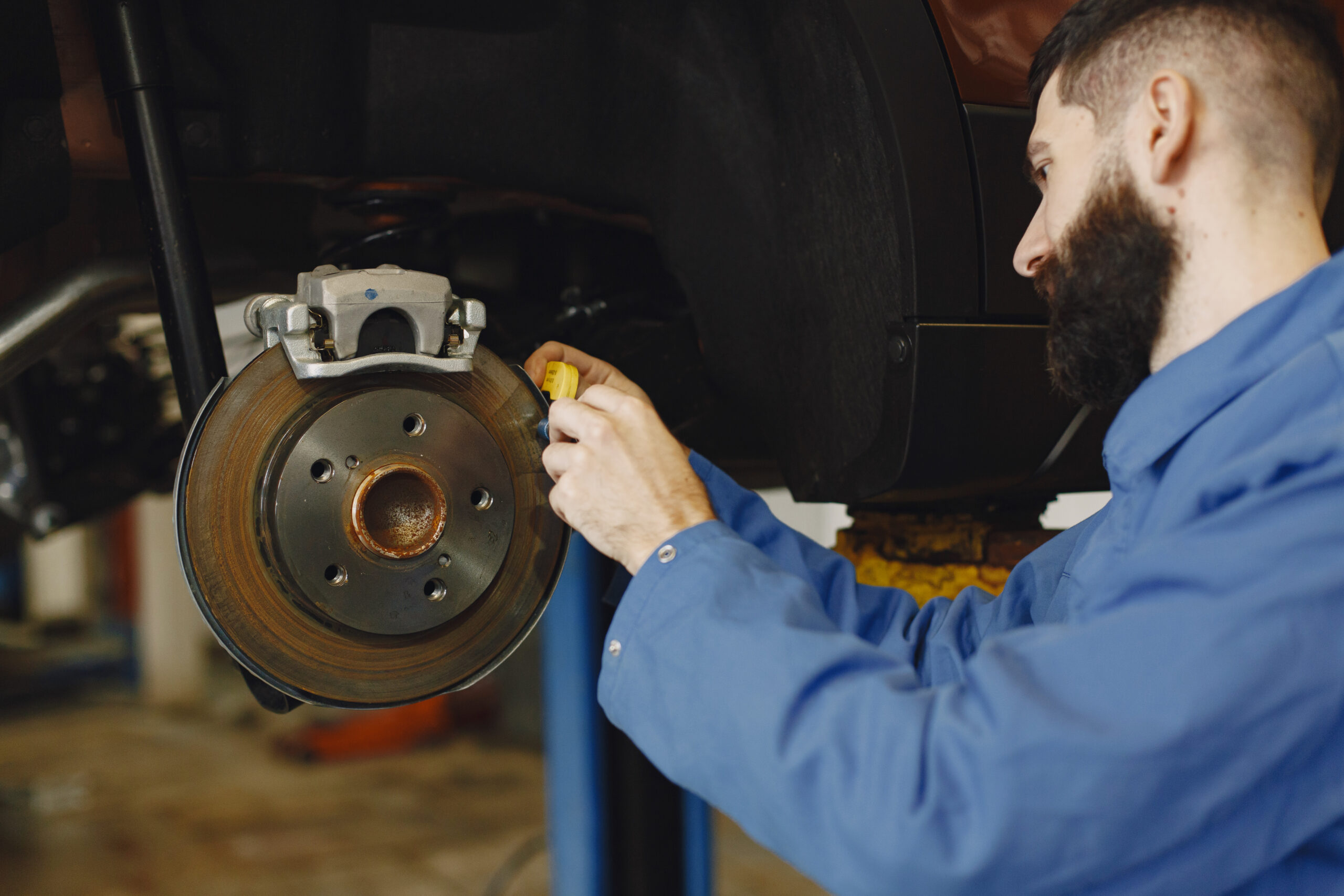
How to Replace Brake Pads
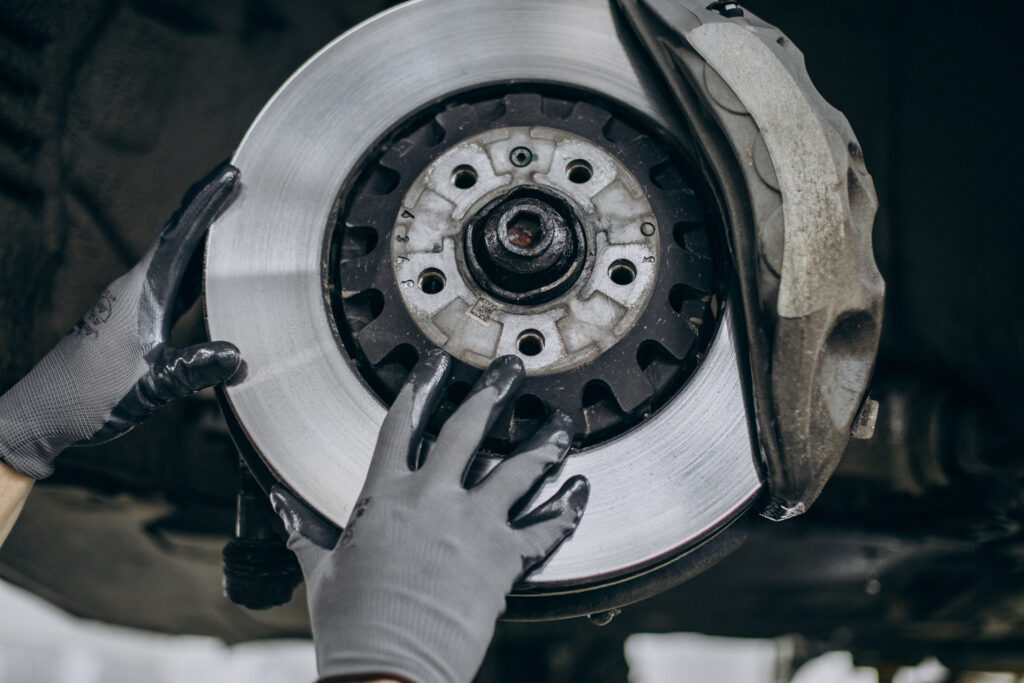
Brake Pads Replacement
Brake pad replacement is one of the most critical maintenance tasks any vehicle owner should understand. Your braking system is the single most important safety feature on your car, and the brake pads are at the heart of it. When you press the brake pedal, the pads clamp against the rotors to slow and stop the vehicle. Over time, this constant friction wears them down, and if you ignore the warning signs, you put yourself and everyone else on the road at serious risk.
The good news is that brake pad replacement is a job many vehicle owners can handle at home with the right tools and guidance. Performing timely car brake maintenance not only keeps you safe but also protects your rotors and saves you significant money on repairs. Replacing worn pads before they damage the rotor can be the difference between a ¤30 job and a £200+ repair bill.
In this comprehensive guide, we walk you through everything you need to know about brake pad replacement — from the early warning signs to a complete step-by-step DIY process. Whether you are a first-time home mechanic or a seasoned enthusiast, this guide has you covered.
Understanding When to Change Brake Pads
Knowing when to change brake pads is the foundation of good car brake maintenance. Most brake pads have a service life of between 25,000 and 65,000 miles, but this varies widely depending on your driving habits, the type of pads installed, and the conditions in which you drive. City drivers who brake frequently will wear through pads much faster than highway drivers.
As a general rule of thumb, brake pads should be inspected every 12,000 miles or once a year, whichever comes first. If the pad thickness drops below 3mm, it is time for an immediate brake pad replacement. Waiting longer risks metal-on-metal contact, which destroys the rotor and creates a far more expensive repair. Many mechanics recommend replacing pads at the 4mm mark to give yourself a comfortable safety buffer.
Understanding the early symptoms of bad brake pads can help you catch the problem before it escalates. Pay close attention to any changes in how your vehicle sounds, feels, or responds when you brake. These early signals are your car communicating that something needs attention.
Signs of Worn Brake Pads You Should Never Ignore
Being able to recognize the signs of worn brake pads early can protect you from dangerous braking failure and costly mechanical repairs. Here are the most common warning indicators every driver should know:
- Squeaking or squealing noise while braking: Most modern brake pads include a small metal wear indicator that makes a high-pitched squeal when the pad material runs low. If you hear this sound consistently when you apply the brakes, it is a clear signal that a brake pad replacement is overdue.
- Grinding sound when stopping: A grinding or growling noise is one of the most serious symptoms of bad brake pads. This usually means the pad material has worn away completely and the metal backing plate is now in direct contact with the rotor. At this stage, both the pads and likely the rotor require immediate replacement.
- Reduced braking performance: If your car takes longer to stop than it used to, or if it feels like the brakes are not responding as sharply, reduced braking performance is one of the key signs of worn brake pads to be aware of.
- Vibration in the brake pedal: A pulsating or vibrating sensation in the brake pedal when stopping often indicates uneven pad wear or a warped rotor. Either way, it signals that your braking system needs immediate attention.
- Brake warning light on the dashboard: Many modern vehicles are equipped with electronic sensors that trigger a dashboard warning light when the pads wear below a safe thickness. Never ignore this light.
If you are wondering how to know if brake pads are bad without relying solely on sounds, you can do a visual inspection. With the wheel on, look through the spokes at the outer pad pressed against the rotor. If you can see less than 6mm of pad material, start planning your brake pad replacement. If there is less than 3mm, stop driving and replace them immediately.
Tools to Replace Brake Pads: What You Will Need
Before starting a DIY brake pad replacement, gathering the correct tools to replace brake pads is essential. Using the proper equipment makes the process not only easier but significantly safer. Attempting this job without the right tools risks damaging brake components and compromising your safety.
Here is a complete list of what you will need:
- Car jack and stands: A hydraulic floor jack is used to lift the vehicle, while car jack and stands keep it securely elevated while you work underneath. Never work under a car supported only by the jack — stands are a non-negotiable safety requirement.
- Lug wrench: A lug wrench is used to loosen and remove the wheel nuts before you can access the brake assembly. A breaker bar can also be helpful if the nuts are particularly tight.
- C clamp for brake pads: A c clamp for brake pads (also called a piston compression tool) is essential for pushing the caliper piston back into its housing before fitting the new, thicker pads. Without this tool, the caliper will not seat correctly over the new pads.
- Socket set: You will need a range of socket sizes to remove the caliper mounting bolts. A ratchet with extension bars makes this significantly easier, especially on hard-to-reach bolts.
- Brake cleaner: A can of brake cleaner spray is used to clean the rotor surface and surrounding components after removing the old pads. This removes dust, grease, and debris that could affect braking performance.
Additionally, you may want to have brake grease or anti-squeal compound on hand for lubricating the back of the new pads, and a torque wrench to ensure the caliper bolts are tightened to the manufacturer’s specification. Wearing nitrile gloves throughout the process is also strongly recommended, as brake dust and cleaner can be harsh on skin.
Step-by-Step DIY Brake Pad Replacement Guide
Now that you understand what is needed, it is time to walk through the complete brake pad replacement process. Follow each step carefully, take your time, and never rush through a safety-critical procedure like this one. If at any point you feel uncertain, it is always better to consult a professional mechanic.
Step 1: Prepare Your Workspace and Gather Your Tools
Park the vehicle on a flat, level concrete surface and engage the handbrake. Gather all your tools to replace brake pads and lay them out within easy reach. Loosen the lug nuts on the wheel you are working on while the car is still on the ground — this prevents the wheel from spinning when you apply force.
Step 2: Lift the Vehicle Safely
Position your floor jack under the designated jack point for your vehicle (refer to your owner’s manual if unsure). Raise the car until the wheel clears the ground by at least 6 inches, then place car jack and stands under a solid structural point. Lower the car gently onto the stands and give it a firm push to confirm it is stable before you get underneath.
Step 3: Remove the Wheel
Using your lug wrench, fully remove the lug nuts you pre-loosened earlier and pull the wheel clear. Set it aside safely. You should now have clear access to the brake caliper, rotor, and pads.
Step 4: Remove the Brake Caliper
Locate the caliper bolts on the back of the caliper — there are typically two. Using your socket set, remove these bolts carefully and slide the caliper off the rotor. It is extremely important that you do not let the caliper hang freely by the brake hose, as this can damage the hose and cause brake fluid leaks. Instead, use a piece of wire or a bungee cord to hang the caliper from a nearby spring or suspension component.
Step 5: Remove the Old Brake Pads
With the caliper removed, the old brake pads should slide or clip out easily. Take a moment to inspect the rotor surface for deep grooves, scoring, or heat discolouration. Minor surface rust is normal, but deep grooves indicate the rotor should also be replaced or machined. This is one of the most important parts of car brake maintenance that many DIYers overlook.
Step 6: Compress the Caliper Piston
New brake pads are significantly thicker than worn ones, so the caliper piston must be pushed back into its bore to create enough clearance. Place one of the old brake pads against the face of the piston to protect its surface, then position your c clamp for brake pads over the pad and the back of the caliper. Slowly tighten the clamp until the piston is fully retracted. Note that compressing the piston forces brake fluid back up into the reservoir, so check the reservoir cap is not fully sealed to allow fluid to escape, and ensure the reservoir does not overflow.
Step 7: Install the New Brake Pads
Before fitting the new pads, spray the rotor surface and the caliper bracket with brake cleaner and wipe down thoroughly. Apply a thin layer of brake grease to the metal contact points on the back of the new pads (not the friction surface). Clip or slide the new pads into the caliper bracket in the same orientation as the originals. Carefully reposition the caliper over the new pads and thread the caliper bolts back in by hand first, then torque them to the specification in your vehicle’s service manual.
Step 8: Reassemble, Test, and Bed In the New Pads
Refit the wheel and hand-tighten the lug nuts. Lower the car off the car jack and stands and torque the lug nuts to specification in a star pattern to ensure even clamping. Before moving the vehicle, pump the brake pedal firmly several times until you feel solid resistance — this re-seats the piston against the new pads. Without doing this, your first press of the brake pedal while driving will have little to no effect, which is extremely dangerous.
Once the brakes feel firm, perform a short low-speed test in a safe area. After confirming the brakes are working correctly, you should also perform a break-in procedure (also called bedding in) to maximise pad and rotor performance and lifespan. This typically involves a series of moderate stops from 30mph, followed by gentle driving to allow the brakes to cool.
Choosing the Right Brake Pads for Your Vehicle
Not all brake pads are created equal, and choosing the right type is an important part of car brake maintenance. There are three primary types: organic (also called non-asbestos organic or NAO), semi-metallic, and ceramic.
Organic pads are the softest and quietest option, making them well suited for light everyday driving. They produce less rotor wear but tend to wear out faster and can fade under high-heat conditions. Semi-metallic pads strike a balance between durability and performance and are the most common choice for everyday drivers. Ceramic pads are the premium option — they are quiet, produce minimal dust, and offer excellent stopping power across a wide temperature range, though they come at a higher cost.
Always check your vehicle manufacturer’s recommendations before selecting replacement pads. For most standard passenger cars, a quality set of semi-metallic or ceramic pads will provide reliable performance and longevity. If you drive a performance vehicle or tow heavy loads regularly, upgrading to a higher-performance pad compound is a worthwhile investment.
Why Regular Brake Pad Replacement Is Essential for Vehicle Safety
Many drivers put off brake pad replacement because the brakes seem to be “working fine.” But by the time braking performance has noticeably declined, significant damage may already have been done. The consequences of neglected brake maintenance extend well beyond simple pad replacement.
When pads wear completely through, the metal backing plate contacts the rotor with every stop. This rapidly scores and warps the rotor, turning a straightforward pad swap into a much more expensive combined pad and rotor replacement. In severe cases, the caliper piston can become damaged as well. What could have been resolved with a basic brake pad replacement has now become a significantly more costly repair.
Beyond the financial implications, degraded brakes are a serious safety hazard. Longer stopping distances, unpredictable brake performance, and the risk of total braking failure create very real dangers on public roads. Timely brake pad replacement is not just good car maintenance practice — it is a responsibility to yourself and other road users.
The key benefits of regular brake pad replacement include:
- Improved stopping performance and shorter braking distances
- Prevention of costly rotor and caliper damage
- Reduced long-term repair costs
- Enhanced overall vehicle safety and driver confidence
Common Mistakes to Avoid During DIY Brake Pad Replacement
Even experienced home mechanics can run into trouble if they rush or skip important steps. Here are the most common mistakes to avoid during a diy brake pad replacement.
Forgetting to pump the brake pedal after reassembly is one of the most dangerous errors a DIY mechanic can make. If you drive away without pumping the pedal to reset the pistons against the new pads, the pedal will go straight to the floor with no braking effect whatsoever. Always pump the pedal until it feels firm before moving the vehicle even one metre.
Another frequent mistake is failing to check the brake fluid level after compressing the pistons. Pushing the piston back forces fluid into the reservoir, which can cause it to overflow if it was already full. Conversely, if the system was low before you started, topping it up with the wrong type of fluid can cause serious damage. Always check your owner’s manual for the correct brake fluid specification.
Touching the friction surface of the new brake pads with bare hands is also a mistake many first-timers make. The natural oils from your skin can contaminate the pad material and cause squealing or uneven braking. Always handle new pads by their edges and wear gloves throughout the process.
Final Thoughts: Take Brake Pad Replacement Seriously
Brake pad replacement is one of those maintenance tasks that is both simple enough for a motivated home mechanic and important enough that it should never be ignored or put off. With the right tools to replace brake pads, a methodical approach, and attention to the warning signs of worn brake pads, you can handle this job safely and confidently at home.
Make it a habit to inspect your pads every time you rotate your tyres or when you hear any of the symptoms of bad brake pads described earlier. Staying ahead of wear is the most cost-effective approach to car brake maintenance and it ensures your vehicle remains safe and predictable in all driving conditions.
If you ever reach a step in this guide where you feel unsure or uncomfortable, do not push through. Consulting a qualified mechanic is always the right call when your safety is on the line. A professional can complete a brake pad replacement quickly and give you peace of mind that the job has been done to the correct standard.
By taking brake pad replacement seriously, staying alert to the signs of worn brake pads, and knowing how to know if brake pads are bad before they become a safety emergency, you are taking genuine responsibility for your vehicle and everyone who shares the road with you. Safe driving begins with reliable brakes — and reliable brakes begin with you.